


Key Points: Nobody starts ABA therapy expecting it to last…
Read More
When a child is diagnosed with autism at a young age, parents often face a mix of emotions alongside a flood of questions. What does this mean for my child’s future? What should I do first? Where do we even begin? One of the most consistent answers to that last question, backed by decades of research, is this: start early.
Early intervention for autism is widely recognized as one of the most effective ways to support a child’s long-term development. And for families in Kansas, Missouri, and Utah, ABA therapy is one of the most accessible and evidence-based forms of that early support. Here is what parents of toddlers and very young children need to know.
The early years of a child’s life represent a period of remarkable brain development. During this window, children absorb language, social cues, and behavioral patterns at a pace that is unlike any other stage of life. For children with autism, this same window offers an important opportunity to build foundational skills before certain behavioral patterns become more firmly established.
Research consistently shows that children who receive early intervention for autism, particularly between the ages of two and five, tend to make greater gains in communication, social interaction, and adaptive behavior than those who begin later. The earlier a child begins building these skills, the more opportunity they have to practice and generalize them across different settings and relationships.
This is why early ABA therapy for autism in Kansas City and across the broader tri-state region is such a priority for families and clinicians alike. Getting started as soon as possible can open doors that become harder to reach with time.
A common misconception is that ABA therapy involves hours of rigid, drill-based instruction that feels more like school than play. For very young children, that picture is simply not accurate. ABA therapy for young children in Missouri and other states is typically designed to be naturalistic, play-based, and built around activities the child genuinely enjoys.
A toddler receiving ABA therapy might spend time building with blocks, practicing requesting their favorite snack, learning to take turns during a simple game, or working on pointing and eye contact during a story. Sessions are structured to create learning opportunities within these everyday moments rather than removing the child from them.
At Avion ABA, Registered Behavior Technicians work one-on-one with each child under the supervision of a Board Certified Behavior Analyst. Treatment plans are individualized from the start, reflecting each toddler’s unique strengths, needs, and family goals.
Early intervention ABA therapy in Missouri, Kansas, and Utah typically focuses on building the foundational skills that support everything else a child will learn. For toddlers and very young children, these commonly include:
These are not isolated skills. They work together to help a child engage more fully with the world around them, connect with the people who love them, and build confidence as they grow.
Parents are often the first to notice that something feels different about their child’s development. If you are wondering whether your toddler might benefit from early intervention, some common early signs of autism spectrum disorder include:
If you recognize any of these signs in your child, talking to your pediatrician is a good first step. A developmental screening or referral for a formal evaluation can help clarify whether an autism diagnosis is appropriate and whether early intervention services like ABA therapy would be beneficial.
This is one of the most common questions Avion ABA hears from Utah families. The short answer is no. ABA therapy for 2 year olds in Utah is both appropriate and encouraged when a diagnosis has been confirmed. Research supports beginning ABA intervention as early as age two, and in some cases even earlier depending on the child’s needs and the nature of their diagnosis.
Very young children are not miniature versions of older kids receiving the same therapy. Their sessions are shorter, more play-focused, and paced according to what a toddler can realistically manage. Avion ABA’s BCBAs are experienced in designing programs that meet two and three year olds where they are, building skills in ways that feel natural and enjoyable for children that age.
For families seeking ABA therapy for toddlers in Kansas, the process begins with a formal autism diagnosis. From there, Avion ABA can help with benefits verification, clinical assessment, and getting prior authorization in place so therapy can begin as quickly as possible.
Kansas has strong autism insurance mandates that apply to most state-regulated health plans, meaning that ABA therapy is a covered benefit for eligible children. Avion ABA works with major insurance carriers across the state and can walk your family through each step of the process.
One of the most powerful aspects of early intervention is the role that parents play in it. Avion ABA offers parent training as part of its services, equipping caregivers with practical strategies they can use every day to reinforce what their child is learning in therapy.
When the skills practiced during therapy sessions are also supported at home, during meals, bath time, and play, children tend to generalize those skills more quickly and reliably. Parents do not need a clinical background to be effective. Avion ABA provides the guidance, and families provide the consistency and love that make it all work.
If you have concerns about your toddler’s development, or if your child has recently received an autism diagnosis, now is the time to explore early intervention options. The sooner your child begins building the skills they need, the more those skills can grow.
Avion ABA provides personalized, in-home ABA therapy for young children across Utah, Missouri, and Kansas, including Kansas City and surrounding communities. Our compassionate team is ready to partner with your family from day one. Contact Avion ABA today at 385-527-7500 or visit avionaba.com to schedule a consultation and take the first step toward helping your child thrive.
Key Points: Nobody starts ABA therapy expecting it to last…
Read More
Key Points: Summer break sounds like a relief, and honestly,…
Read More
Key Points: You noticed something specific, even if you could…
Read More
Key Points: A quick search for ABA therapy provider near…
Read More
Key Points: Two acronyms show up constantly once a family…
Read More
Key Points: How much does ABA therapy cost? It is…
Read More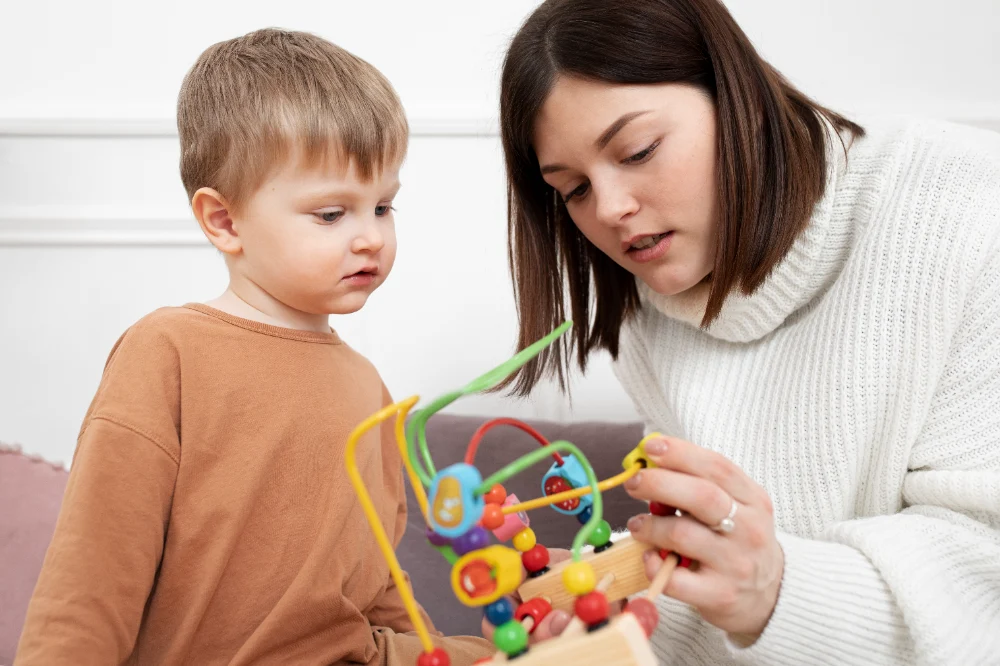
Key Points: Does Medicaid cover ABA therapy? Short answer: yes,…
Read More
Key Points: Money should never decide whether a child gets…
Read More
One of the most important and often underappreciated truths in…
Read More
Emotional regulation is one of the most significant challenges many…
Read More