


Key Points: Nobody starts ABA therapy expecting it to last…
Read More
Starting Applied Behavior Analysis (ABA) therapy can be a meaningful step for families seeking support for their young child’s development. For parents of preschool-aged children, especially those starting ABA therapy at 3 years old or younger, it is natural to wonder what the process looks like and how progress unfolds over time.
Early ABA intervention focuses on building foundational skills that support communication, behavior, learning, and independence. While every child’s journey is unique, understanding what to expect during the first 6 months in ABA can help families feel more confident and prepared.
Preschool years are a critical period for learning and development. During early childhood, the brain is highly adaptable, making it an ideal time to build essential skills that support long-term growth.
ABA therapy for preschoolers often focuses on:
Early ABA intervention helps young children develop skills that support success in school, home routines, and social environments.
Families often feel unsure about what to expect at the first ABA session. The initial phase typically focuses on assessment, relationship building, and understanding the child’s needs.
A Board Certified Behavior Analyst (BCBA) conducts a comprehensive assessment to understand the child’s strengths, challenges, communication abilities, and developmental needs. This may include observing play, interaction, and behavior patterns.
Based on the assessment, the provider develops an individualized treatment plan outlining goals, therapy hours, and targeted skills. Plans are tailored to the child’s age, developmental level, and family priorities.
Early sessions focus heavily on creating a positive relationship between the child and therapist. This process helps children feel safe, engaged, and motivated to participate in learning activities.
The first ABA session and early weeks often emphasize connection rather than immediate intensive skill training.
During the first month of preschool-age ABA therapy, the primary focus is on establishing structure and engagement.
Therapists introduce predictable therapy routines that help young children understand expectations and transitions.
Therapists build positive associations with learning by incorporating play, preferred activities, and reinforcement.
Providers collect data on current skill levels to guide future intervention and track progress over time.
This phase lays the groundwork for meaningful learning in later months.
Once the child becomes comfortable with therapy routines, skill development becomes more structured.
ABA therapy for toddlers and preschoolers during this phase often focuses on:
Therapists use structured teaching methods, play-based learning, and positive reinforcement to encourage progress.
Parents may begin noticing small but meaningful changes, such as improved communication attempts or increased cooperation with daily routines.
As therapy continues, the focus shifts toward strengthening and generalizing skills across environments.
Children may develop more consistent ways to express needs, make requests, or engage with others.
Therapists work on turn-taking, shared attention, and interaction with peers or family members.
Therapists teach replacement behaviors and coping strategies to reduce challenging behaviors.
By the end of the first 6 months in ABA, many families observe noticeable improvements in engagement, communication, and participation in daily activities.
Parents often want to know how quickly they will see results. The therapy progress timeline varies depending on:
ABA focuses on gradual, measurable progress rather than immediate change. Small improvements build over time, leading to meaningful long-term outcomes.
Regular progress reports and communication with the therapy team help families understand their child’s development.
Family participation plays a major role in the success of ABA for young children. Parents and caregivers help reinforce skills outside therapy sessions, supporting consistency across environments.
Providers may offer guidance on:
Strong collaboration between families and providers supports faster learning and lasting progress.
Families beginning ABA therapy for preschoolers often share similar concerns.
ABA for young children is typically play-based and engaging, using activities that match the child’s interests.
Recommendations vary based on the child’s needs and treatment goals.
Each child progresses at a different pace, but consistent participation often leads to steady improvement.
Understanding these expectations helps families approach therapy with realistic goals and confidence.
The first 6 months in ABA therapy establish the foundation for long-term skill development. Early intervention helps children build communication abilities, improve behavior regulation, and develop independence that supports future learning and success.
With individualized treatment plans, structured teaching methods, and family collaboration, ABA therapy for preschoolers helps young children reach meaningful developmental milestones.
If you are considering ABA therapy for preschoolers or starting ABA therapy at 3 years old, Avion ABA provides personalized, evidence-based services designed to support your child’s development from the very beginning.
Contact Avion ABA today to learn how early ABA intervention can help your child build essential skills, increase independence, and thrive with compassionate, family-centered care.
Key Points: Nobody starts ABA therapy expecting it to last…
Read More
Key Points: Summer break sounds like a relief, and honestly,…
Read More
Key Points: You noticed something specific, even if you could…
Read More
Key Points: A quick search for ABA therapy provider near…
Read More
Key Points: Two acronyms show up constantly once a family…
Read More
Key Points: How much does ABA therapy cost? It is…
Read More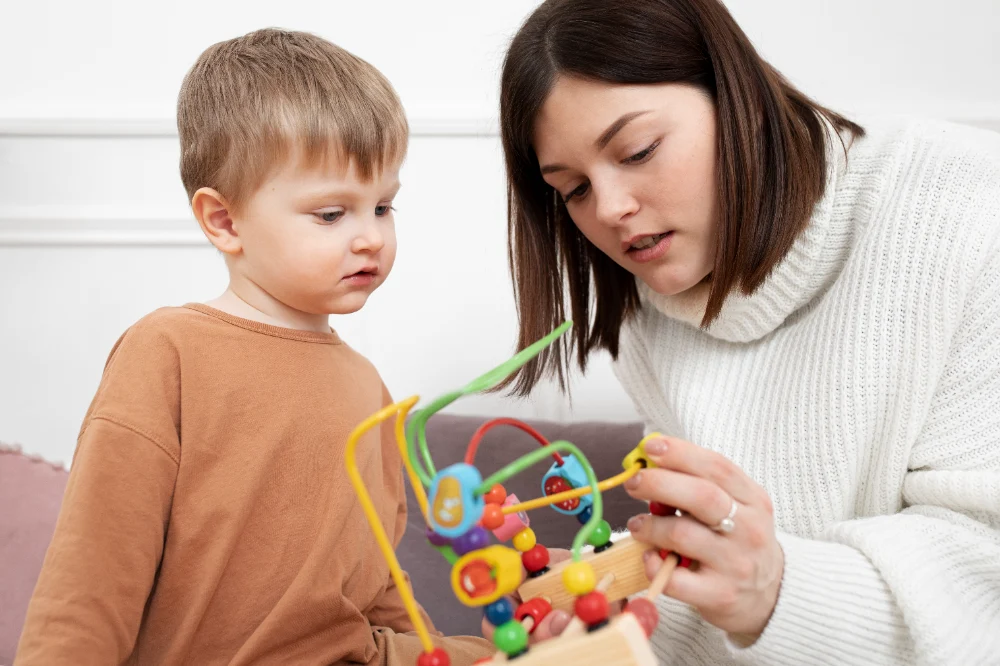
Key Points: Does Medicaid cover ABA therapy? Short answer: yes,…
Read More
Key Points: Money should never decide whether a child gets…
Read More
One of the most important and often underappreciated truths in…
Read More
Emotional regulation is one of the most significant challenges many…
Read More